Servicing Engine Generator Advice
Automatic Generators: The Essential Fix for Constant Energy Flow
Standby generators provide crucial protection against power interruptions. They function seamlessly, switching on in moments after a power loss. Fueled by various energy sources, they make certain operations continue when disaster strikes. Nevertheless, knowing their advantages and specifications is crucial to reaching an informed decision. What elements need consideration before acquiring a generator like this? The next segments discuss these crucial elements.
Understanding Standby Generators: Their Operation
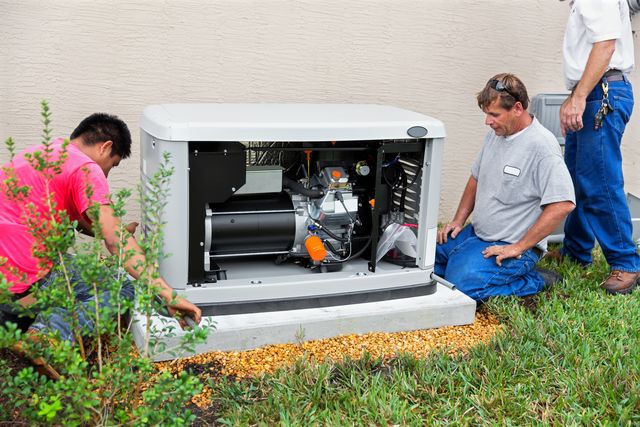
Backup generators are critical units which deliver instantaneous reserve energy during power losses. Generators are often sited outside the structure, wired into the power grid and fueled by natural gas, propane, or diesel. Should the power fail, a standby generator detects the loss of electricity and begins operating immediately. This action utilizes a specialized transfer switch, which separates the building from the main supply and links it to the backup unit
(Portland Standby Generators)The generator then begins to produce electricity, supplying power to essential circuits or the whole building, based on its size. Typically, these generators have a built-in monitoring system which ensures correct operation and maintenance. These units run for long durations, offering a constant energy supply until utility power is restored. Grasping how backup generators work enables users to see their importance in improving power reliability and reducing interruptions when the power suddenly fails
Why Install an Automatic Generator
Reliability is a significant advantage of installing a standby generator, since it ensures continuous electricity during outages. This vital function guarantees that facilities stay running, securing critical items and upholding livability. Additionally, standby generators enhance safety by preventing power outages that could lead to hazardous situations, such as pipe damage or critical device shutdowns.
Affordability is another benefit; while the primary expenditure may be considerable, the future financial benefits from minimizing spoilage, operational downtime, and urgent maintenance can be significant. Furthermore, standby generators boost the home's worth, making them an desirable characteristic for future homeowners.
Convenience is also notable, as they turn on automatically during an outage, removing the necessity for hands-on operation. This smooth performance lets people to maintain their daily routines without interruption. In conclusion, having a backup generator offers peace of mind, guaranteeing that power is readily accessible when needed most.
Important Attributes to Consider in a Backup Power System
When choosing a standby generator, several key features must be evaluated to achieve the best results and matching the intended purpose. First, the power output is vital; potential users must calculate the necessary power to run critical equipment during an outage. Moreover, the power source—whether natural gas, propane, or diesel—affects efficiency and long-term expenditures.
A further critical component is the transfer switch, which facilitates seamless power changeover and enhances safety. Construction and longevity are key factors; a robust generator can handle severe elements.
Moreover, how loud it is needs evaluation, as low-noise units are better for neighborhood settings. Certain models include self-starting features, offering ease of use during sudden power failures. To conclude, support and coverage details must be examined, ensuring dependable assistance and maintenance. By evaluating these features, prospective buyers can pick a unit that meets their unique power needs successfully.
Key Points to Review Before Purchase
Before committing to a standby generator, potential buyers should carefully evaluate several essential factors to confirm they arrive at an informed decision. Portland Standby Generators. To start, they must evaluate their energy requirements by estimating the needed power to operate critical systems during an outage. Next, the power source is important; available types are natural gas, propane, or diesel, each with unique advantages and availability considerations
Moreover, buyers should consider the generator's power switch mechanism, which ensures easy power switching. The requirements for installation must also be considered, since certain models might require expert setup or acquiring a permit
Warranty and service options should not be overlooked, as these can greatly impact your satisfaction over time. To conclude, potential buyers should evaluate the level of noise produced, above all if they are located in residential areas. By considering these elements, customers may pick a backup power unit that best meets their specific needs and preferences
Maintenance Tips for Your Standby Generator
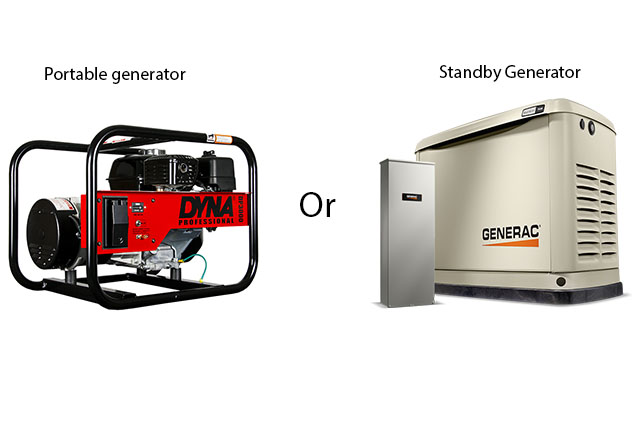
Consistent upkeep is vital for guaranteeing peak performance and longevity of a standby generator. Begin by checking how much oil the generator has, and replace the oil and filter according to the manufacturer's recommendations. Inspect the air filter often replacing it if required to ensure proper air circulation. You should also test the battery and remove any learn the facts terminal corrosion to ensure it starts reliably.
Perform load tests regularly to confirm the generator can handle the capacity it is rated for. Additionally, verify that no obstructions or leaks exist in the exhaust system. Maintaining a clean, debris-free generator can prevent the unit from overheating and having other issues.
Lastly, book professional upkeep at least once a year to fix any issues that might arise and perform in-depth inspections. Following these maintenance tips will significantly prolong the life of a standby generator, giving you confidence when the power goes out.
Frequently Asked Questions
How Much Do Standby Generators Typically Cost?
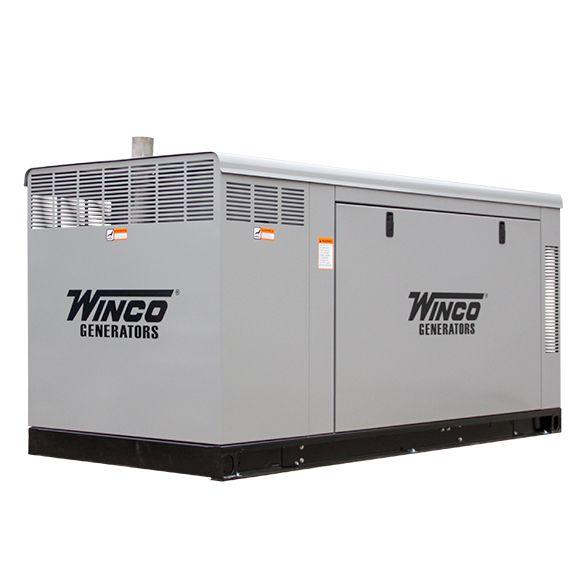
Backup generators usually range in price from $2,000 to $15,000, influenced by factors including the brand, power output, and complexity of installation. Other expenditures might cover permits, fuel tanks, and maintenance, influencing the overall investment required.
Am I Able to Install a Standby Generator on My Own?
Self-installation of a backup generator is feasible, though it demands familiarity regarding local codes and electrical wiring. It is highly recommended getting a contractor to ensure security, compliance, and ideal performance of the generator installation.
What Energy Sources Do Standby Generators Use?
Standby generators commonly run on energy sources such as diesel, natural gas, propane, or gasoline. Portland Standby Generators. The choice of fuel is frequently influenced by availability, cost, and specific energy needs, which impacts the functioning and efficacy of the generator
Are There Any Permits Required for Installation?
Absolutely, installation permits are usually mandated for the installation of standby generators. The specific codes change based on the locale, so it is crucial for contractors or homeowners to consult local authorities to verify conformance with all relevant codes and requirements.
For What Duration Can a Standby Unit Operate Continuously?
A standby generator can run continuously for a range of periods, typically ranging from 24 to 48 hours, contingent upon the demands and the fuel source. Routine upkeep ensures optimal functioning and extended lifespan during long running times.